Mexico is a country that has immense wealth, both territorially and culturally. It has customs, traditions and rituals that originate for thousands of years, some of which I could witness during my stay here.
To begin with, one of the elements that most distinguish Mexicans is the family, since it is the center of the social structure and one of the pillars that form the personality. In Mexico, the extended family is as important as the nuclear family, meeting with them every weekend at family meals or maintaining regular contact during the week. Grandparents are important figures; it’s very common for grandparents to live with their children, to care for them and to ensure their well-being, rather than sending them to residential households, as there is a huge sense of responsibility towards the family. There is a great connection between the members of the family, with frequent signs of affection and well-established roles between parents and children, as well as constant communication and presence in the lives of each member of the family. The mother figure is the center of the family; having a « sacred » place within the family’s bosom and in Mexican culture on a general plane.
On the other hand, most Mexican customs and traditions date back to the pre-Hispanic time of the territory or to the time of evangelization, because there are many events and religious festivals, since Catholicism in Mexico is the religion with more presence.
Some of the most relevant events in the country are:
- Día de los Reyes: This day commemorates the Three Kings’ presenting gifts to the Christ Child. Children put their shoes under the Christmas tree or above the window to receive the presents they’ve asked in a special letter sent to the Kings. Friends and families gather on February 6th to share the Rosca de Reyes, a special type of cake. Inside the cake is a small doll representing the Christ Child; whoever receives the doll must host a tamales and atole tamales and atole (a hot drink made from corn flour and milk) on Día de la Candelaria on February 2nd.

- Candelaria Day: This event is the result of the syncretism of two cultures and religions: the Catholic and the pre-Hispanic. In Mexico, people usually dress the baby Jesus who was in the Christmas manger, with typical clothes of their region or clothes that go hand in hand with their personality and tastes. There is a mass where this child is blessed and then, those who attended the celebration of the Three Kings gather to share tamales and atole at a party organized by the receiver of the doll inside the rosca. February 2.
- Carnivals: The Carnival takes place the 3 days before Ash Wednesday and the beginning of Lent. This event has presence in the cities of Tepoztlán, Huejotzingo, Chamula, Veracruz, Cozumel and Mazatlán, where there is a festive atmosphere and parades.
- Ash Wednesday: This event marks the beginning of Lent and the time of abstinence, some cities honor it with dances and fairs.
- Spring/Fall Equinox on Chichen Itza: On the first day of both seasons, the temple of Kukulkan – the main pyramid of Chichen Itza – aligns with the sun, and when bumping the rays of sun on the rafters of the main staircase, occurs An incredibleshow of light and shade.
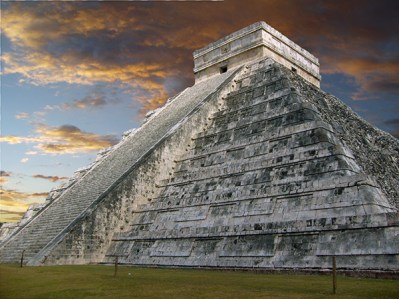 They are forming light triangles of the shadow that project the nine bodies or platforms of the pyramid. That shadow, as the sun advances, runs along the wall sliding down to illuminate the head of one of the serpents at the top of the steps. According to the researchers, this effect symbolizes the descent of the Kukulcan god to the land, to begin the agricultural cycle. March 21 (the shadow appears Mar 19-23).
- Holy Week: Mexico celebrates the last week in the life of Christ, there are religious processions, Judas forgery and recreations of biblical events, as well as food and handicraft fairs. April
- National Fair of San Marcos, Aguascalientes. In mid-April, the largest fair in Mexico is held, lasting 22 days. There are bullfights and rodeos, There are crafts and industrial exhibitions, markets, fireworks and popular dance.
- Independence Day: Celebrate the independence of Mexico from Spain with parades, picnics and family gatherings. At 23:00 hours on September 15, the president gives the cry for independence in the National Palace of Mexico City. The buildings are covered with national colors (red, green and white), and the base is lit with lights. While a military parade takes place on September 16.
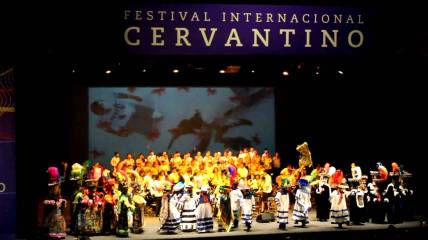
- Cervantino International Festival, Guanajuato. It is a cultural event, there are shows, plays, conferences and concerts. The city is attended by exponents from all over the world.
- Day of the Dead. This holiday lasts for 2 days: All Saints ‘Day, honoring saints and deceased children, and All Souls’ Day, honoring deceased adults. Relatives gather at cemeteries, carrying candles and the deceased’s favorite food, and often spend the night beside graves of loved ones.
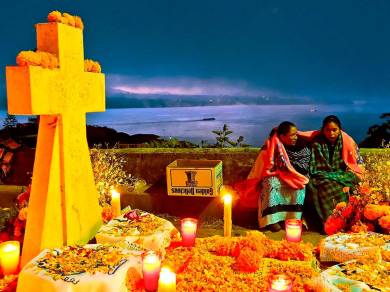
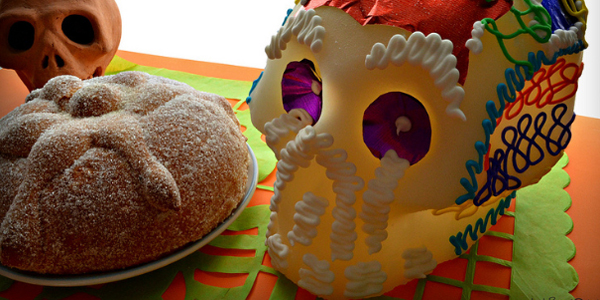
During all month, bakers produce bread decorated with bread « bones. » Sugar skulls emblazoned with glittery names are sold everywhere. Many days ahead, homes and churches erect altars laden with bread, fruit, flowers, candles, favorite foods, and photographs of saints and of the deceased ones. On both nights, costumed children walk through the streets, like on Halloween, often carrying mock coffins and pumpkin lanterns.
Finally, during my time here I learned that Chile is the basis of Mexican food. Mexicans put sauce on everything, even tolerating high levels of spice. Lemon and avocado are also basic in food, being the perfect companions of the famous tacos. Which have a great variety, there are carnitas tacos, al pastor, barbecue and all are accompanied by these elements.



 From Lyon to mexico